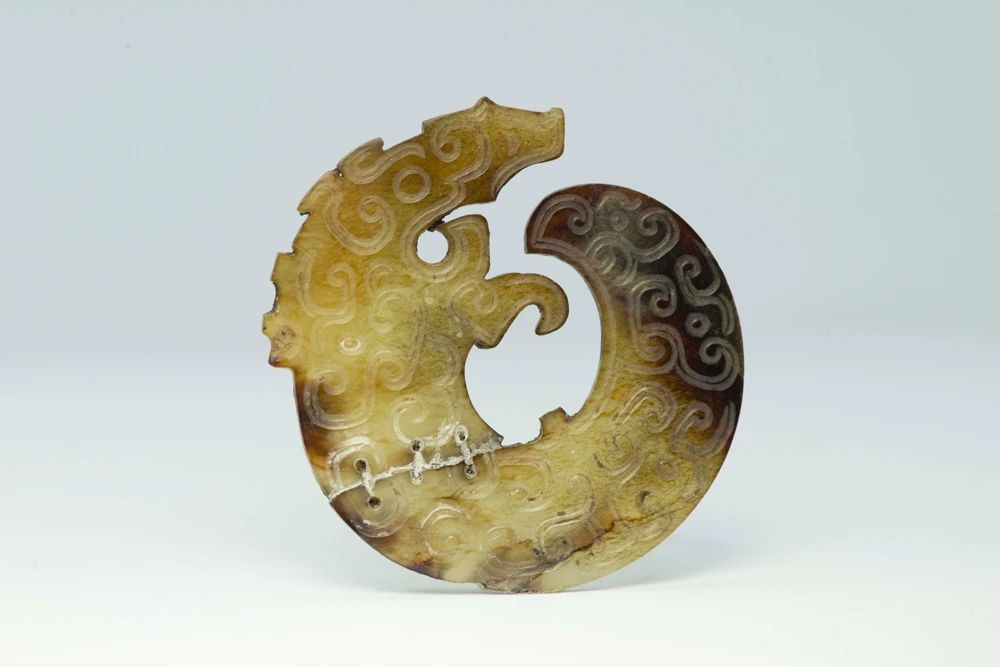
Chinese Jade Culture
Introduction
Chinese Jade Culture is a profound and longstanding element of Chinese civilization, reflecting the historical, cultural, and artistic evolution of this ancient society. For over 9,000 years, jade has been revered in China not just as a precious stone but as a symbol deeply embedded in the cultural consciousness. This cultural affinity is often said to be intertwined with the very DNA of the Chinese people. The ongoing fascination with jade is vividly illustrated through numerous exhibits and collections across China, showcasing its historical significance and artistic craftsmanship.
Jade is seen as a symbol of purity and moral integrity in Chinese culture, representing virtues such as benevolence, wisdom, and sincerity. Its importance is evident in its use throughout various dynastic periods, where it played a crucial role in rituals, ceremonies, and as a status symbol among the elite. The artistry involved in jade craftsmanship reflects the sophisticated techniques developed over millennia, producing iconic artifacts that continue to captivate both Chinese and global audiences.
Despite periods of decline, such as those experienced during the 20th century due to wars and economic challenges, the jade market has seen a revival over the past few decades. This resurgence is partly due to increased interest in preserving and promoting jade culture both domestically and internationally. As a result, jade remains a pivotal aspect of cultural heritage, art, and economic activity in modern China.
Historical Background
Origins of Jade in China
The origins of jade in China can be traced back to various Neolithic cultures, such as the Shijiahe and Liangzhu cultures, dating back thousands of years. Sites like the Shijiahe in the middle reaches of the Yangtze River and the Lingjiatan in Anhui province have unearthed exquisite jade artifacts that reveal the craftsmanship and significance of jade in ancient Chinese society. These early cultures used jade in ritualistic contexts, reflecting its early association with spiritual and ceremonial functions.
Jade's prominence as a cultural medium was further solidified in China due to its unique physical properties and aesthetic appeal. Unlike other stones, jade is known for its toughness, vibrant colors, and ability to be finely worked, making it ideal for intricate carvings and durable objects. Its discovery and utilization marked the beginning of a tradition that would develop and evolve throughout China's history, laying the foundation for jade to become a cultural symbol of harmony, prosperity, and longevity.
Evolution through Dynasties
As Chinese civilization advanced through various dynasties, the role and significance of jade evolved accordingly. During the Western Zhou Dynasty, for example, jade was extensively used in ceremonial and ritual contexts, often associated with the ruling elite and their divine mandate. The craftsmanship during this period reached new heights, with artisans creating intricate designs that reflected the symbolic meanings attributed to jade.
The evolution continued through subsequent dynasties, each leaving a distinct mark on Chinese jade culture. The Qing Dynasty, for instance, was a golden age for jade art, with the establishment of royal workshops dedicated to jade craftsmanship. These workshops produced some of the most exquisite jade artifacts known today, including intricate carvings and imperial seals, which not only served as symbols of authority but also as works of art that embodied the cultural and aesthetic values of their time.
Throughout these periods, jade also became an integral part of trade and diplomacy, further cementing its status as a cherished cultural element. The continuity and development of jade culture across dynastic transitions highlight its enduring appeal and significance in Chinese society.
Cultural Significance
Symbolism and Meaning
In Chinese culture, jade is imbued with rich symbolic meanings and is often associated with various virtues and ideals. It is commonly linked to concepts of purity, beauty, and moral integrity. The saying "gentle as jade" reflects the cultural ideal that one's character should be as refined and noble as the stone itself. This symbolism extends to various aspects of life and philosophy, where jade is seen as a representation of harmony, balance, and spiritual connection.
Jade's symbolic significance is not limited to personal virtues; it also plays a role in broader cultural philosophies. The concentric shape of a "Bi" jade ware, for example, symbolizes the harmonious relationship between humanity and nature, a theme that resonates in Chinese art and thought. This philosophical dimension of jade adds another layer of depth to its cultural importance, making it a medium through which traditional values are expressed and preserved.
Role in Rituals and Ceremonies
Throughout Chinese history, jade has been integral to rituals and ceremonies, serving as a bridge between the material and spiritual worlds. It was often used in religious ceremonies, funerary practices, and as offerings to deities. The use of jade in these contexts underscores its perceived purity and connection to the divine, believed to facilitate communication with the spiritual realm.
Jade artifacts, such as the "Cong" and "Bi" pieces, were common in ancient burial practices, serving as symbols of protection and status for the deceased. These objects were meticulously crafted and placed within tombs to ensure safe passage to the afterlife, reflecting the deep cultural significance of jade as a sacred and protective talisman.
In royal ceremonies, jade was used to symbolize the mandate of heaven and the divine right to rule. The imperial seals and scepters crafted from jade were more than mere symbols of power; they were imbued with spiritual and cultural meaning, representing the ruler's connection to the heavens and their duty to uphold moral and ethical governance.
Artistic Development
Techniques and Craftsmanship
The art of jade carving in China is a testament to the skill and creativity of Chinese artisans, who developed sophisticated techniques over millennia. Jade craftsmanship involves a meticulous process, requiring precision, patience, and an intimate understanding of the stone's properties. Artisans employ various methods, such as piercing, grinding, and polishing, to transform raw jade into intricate and aesthetically pleasing forms.
Historical records suggest that jade artisans were highly respected individuals, often working under royal patronage. The techniques they developed allowed for the creation of detailed and complex designs, ranging from geometric patterns to lifelike representations of animals and figures. The craftsmanship is not only a reflection of technical skill but also an expression of cultural values and artistic vision.
One of the hallmarks of jade craftsmanship is its ability to convey deep symbolic meanings through artistic forms. Each carving, whether it be a simple ornament or an elaborate sculpture, is infused with cultural narratives and philosophical concepts, making jade art a unique fusion of aesthetic beauty and cultural expression.
Iconic Jade Artifacts
Throughout Chinese history, many iconic jade artifacts have been created, each bearing witness to the cultural and artistic achievements of its time. Among these, the jade burial suits from the Han Dynasty are particularly noteworthy. These suits, meticulously crafted from thousands of jade pieces, were believed to protect the wearer in the afterlife and symbolize eternal life.
Another iconic artifact is the Dragon and Phoenix motif, often found in jade carvings and symbolizing the harmonious balance between yin and yang. This motif reflects the cultural importance of these mythical creatures and their association with imperial authority and cosmic harmony.
The jade "Cong" and "Bi" pieces from the Liangzhu culture also stand out as masterpieces of ancient jade art. These artifacts, characterized by their distinctive shapes and intricate engravings, serve as a testament to the sophisticated craftsmanship and cultural significance of jade during the Neolithic period. Their discovery provides valuable insights into the spiritual and social dynamics of early Chinese civilizations.
Economic Impact
Jade Trade in Ancient China
The trade and exchange of jade have played a significant role in the economic landscape of ancient China. Historically, jade was a highly sought-after commodity, often traded over long distances across Asia. This trade facilitated cultural exchanges and the dissemination of jade artistry and techniques beyond China's borders, contributing to the broader appreciation of jade.
In ancient times, jade was more than a luxury item; it was a symbol of wealth and status, often reserved for the elite. The demand for jade led to the establishment of trade routes and networks that connected different regions and cultures. These trade networks not only contributed to the prosperity of local economies but also to the cultural exchanges that enriched the artistic and symbolic significance of jade.
The economic impact of jade trade is evident in the archaeological findings of jade artifacts in regions far from their point of origin, suggesting widespread distribution and influence. This extensive trade network laid the groundwork for jade's enduring presence in Chinese culture and its recognition as a valuable cultural and economic asset.
Modern Jade Industry
In contemporary times, the jade industry in China has undergone significant transformation and growth. The revival of interest in jade artifacts and the appreciation of traditional craftsmanship have spurred the development of a thriving jade market. This resurgence is characterized by increased domestic consumption, as well as growing international interest in Chinese jade.
The modern jade industry encompasses a wide range of activities, from mining and processing to design and retail. Major jade markets, such as those in Zhenping county, have become hubs for trade and commerce, attracting collectors, artisans, and enthusiasts alike. The industry has also benefited from advancements in technology and design, allowing for innovative approaches to jade artistry.
This renewed interest in jade is not only an economic boon but also a cultural renaissance. The preservation and promotion of jade culture are seen as essential to maintaining China's rich cultural heritage, with artisans and collectors playing a key role in this endeavor. As a result, jade remains a vibrant and dynamic element of China's cultural and economic landscape.
Cultural Exchange and Influence
The global influence of Chinese jade culture is evident in the widespread appreciation and adoption of jade artistry and symbolism beyond China's borders. Throughout history, jade artifacts have been exchanged and traded across Asia and beyond, contributing to cultural exchanges and the dissemination of jade-related traditions and techniques.
Exhibitions and collaborations have played a crucial role in promoting jade culture internationally, showcasing its artistic and cultural significance to a global audience. Museums and cultural institutions around the world have hosted exhibitions featuring Chinese jade artifacts, highlighting their historical importance and artistic brilliance. These events have fostered cross-cultural dialogue and understanding, allowing people from diverse backgrounds to appreciate and engage with Chinese jade culture.
The influence of jade extends beyond the art world, with its symbolism and values resonating in various cultural and philosophical contexts. The themes of harmony, balance, and integrity associated with jade are universal concepts that transcend cultural boundaries, making jade a symbol of cultural connectivity and mutual appreciation.








